

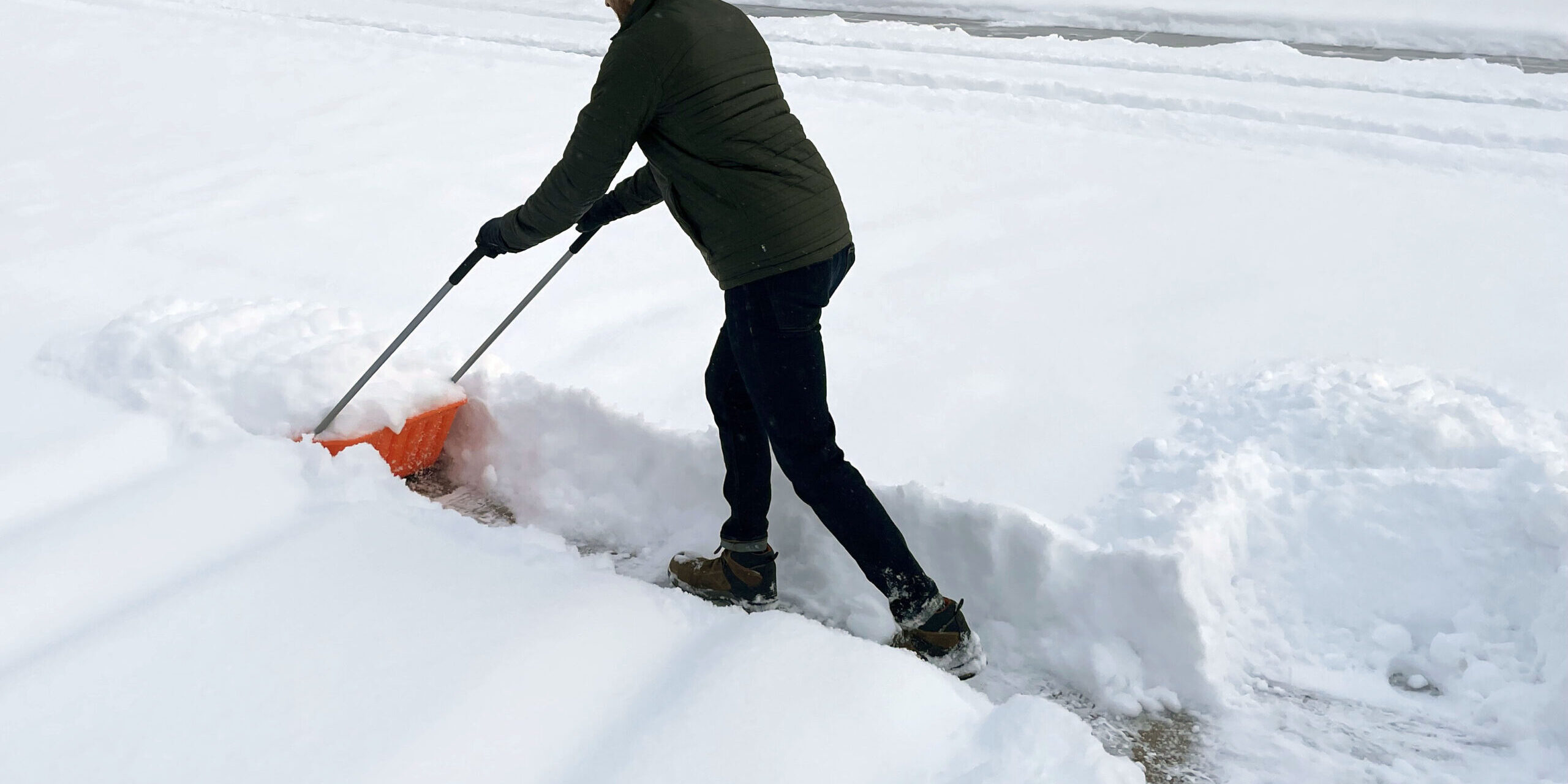
Hot Tips for Cold Weather Heart Health — Mid-Winter in Upstate NY Edition ❄️❤️
Winter has officially gripped Central New York — with snow totals piling up and temperatures plunging into bitter cold across Oneida, Herkimer, and Otsego counties this week. Thanks to a powerful winter storm sweeping through the region since Sunday, many communities woke up to 6–10+ inches of snow. Otsego County areas like Gilbertsville, totals inched towards a foot or more, while places like Vernon and Marcy in Oneida County reported 7-10+ inches from this system.
As the flakes settle, here’s how you can protect your heart — because Upstate winters bring more than cold feet; they bring extra work for your cardiovascular system.
❄️ Upstate Weather + Your Heart: What’s Happening Now
A true winter on the landscape. The recent winter storm that punched through Central New York brought widespread snow across the region, with measurable snowfall in Oneida, Herkimer, and Otsego counties and frigid air settling in behind it.
Travel advisories and emergency responses are active. The storm has prompted travel alerts across several counties — from Otsego through Syracuse area zones — and even a statewide state of emergency was declared in anticipation of the intense conditions.
It’s colder than it feels. Wind chills are well below freezing, making outdoor shoveling or even quick errands a bigger strain on your heart than you might expect.
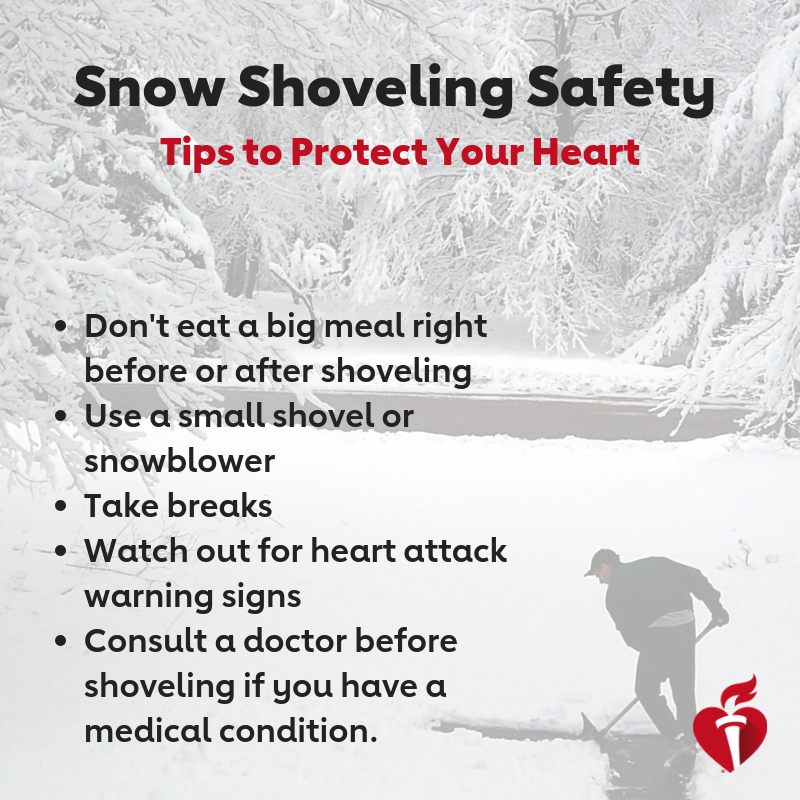
❤️ Heart-Healthy Habits for Snowy, Frigid Days
Whether you’re heading out to shovel, checking on a neighbor, or just stepping out for a moment, these tips help you stay safe and heart-smart.
🧤 Dress for Warmth
Bundle up with layers that trap heat and protect exposed skin. A warm hat, insulated gloves, and waterproof boots go a long way when wind chills dive.
➡️ Exposure to cold causes your blood vessels to constrict and your heart to work harder — not ideal if you already have heart concerns.
⛏️ Snow Shoveling = Built-In Cardio (Be Cautious!)
Shoveling snow is famously heart-intensive. If you do it:
- Warm up a bit indoors first.
- Take frequent breaks.
- Don’t rush — heavy snow and cold air are a challenging combo.
If you start to feel chest pain, dizziness, or extreme fatigue, stop immediately and get help.
🚗 Travel Wisely
With travel advisories in effect and roads slick from fresh snow, consider postponing non-essential trips. If you must go out, plan extra time and keep essentials (water, snacks, blankets) in your car.
🤝 Look Out for One Another
Cold weather hits some residents — especially older friends, neighbors, or folks with existing heart conditions — harder than others. A quick check-in can make a big difference.
🌨️ Feel-Good Moment: Snow Angels of the Mohawk Valley
With snowbanks growing tall across the Mohawk Valley, volunteers are stepping up — neighbors helping neighbors dig out, clear sidewalks for seniors, and even community groups organizing snow-shoveling teams for those who can’t do it themselves. It’s the kind of spirit that warms even the coldest day.
💡 Quick Winter Heart Checklist
- ❄️ Limit strenuous outdoor activity in extreme cold
- ☕ Stay hydrated and choose warm (not sugary) drinks
- 🚶♂️ Break up tasks into smaller chunks
- 🧑🤝🧑 Stay socially connected — reach out if you’re alone
The American Heart Association is reminding us that the cold isn’t just uncomfortable — it can affect your cardiovascular health, especially if you’re out shoveling snow or braving frigid temperatures.